Understanding Your Plants’ Watering Needs
Caring for house plants involves understanding their unique watering needs, which can vary significantly depending on several factors. Firstly, the type of plant itself plays a crucial role in determining water requirements. Different species have distinct adaptations that dictate their moisture needs; for instance, succulents and cacti thrive in arid conditions, requiring minimal watering, while tropical plants may demand consistently moist soil.
Another essential factor is the size of the pot. A larger pot retains moisture longer than a smaller one, which can lead to moisture stress in plants if not monitored closely. Therefore, selecting an appropriate pot size that correlates with the plant’s needs is vital for maintaining optimal hydration levels. Additionally, the composition of the soil influences water retention and drainage capacity. Soils that are well-aerated and rich in organic matter tend to facilitate proper water absorption, preventing the risk of waterlogged roots.
Humidity levels in the environment can also affect watering frequency. In drier conditions, plants may require more frequent watering, while in a humid atmosphere, the soil may retain moisture for longer periods. Temperature is another environmental factor that significantly impacts plant hydration; warmer temperatures can increase evaporation rates, necessitating additional watering. Establishing a watering routine is crucial, and understanding the signs that a plant requires water is integral. Wilting, yellowing leaves, or dry soil are common indicators that your plant needs attention.
It is essential to be aware of the risks associated with both overwatering and underwatering. Overwatering can lead to root rot, while underwatering may cause dehydration and wilting. Therefore, adopting appropriate watering techniques, such as bottom watering or top watering, based on your plant’s requirements can enhance their health and overall well-being.
The Role of Sunlight in Plant Health
Sunlight is a vital factor in the overall health and growth of house plants. It is essential for the process of photosynthesis, where plants convert light energy into chemical energy, enabling them to produce the food necessary for their survival. Different plants have varying light requirements, categorized as low, medium, and high light. Understanding these categories will help you select the right plants for your home and care for them more effectively.
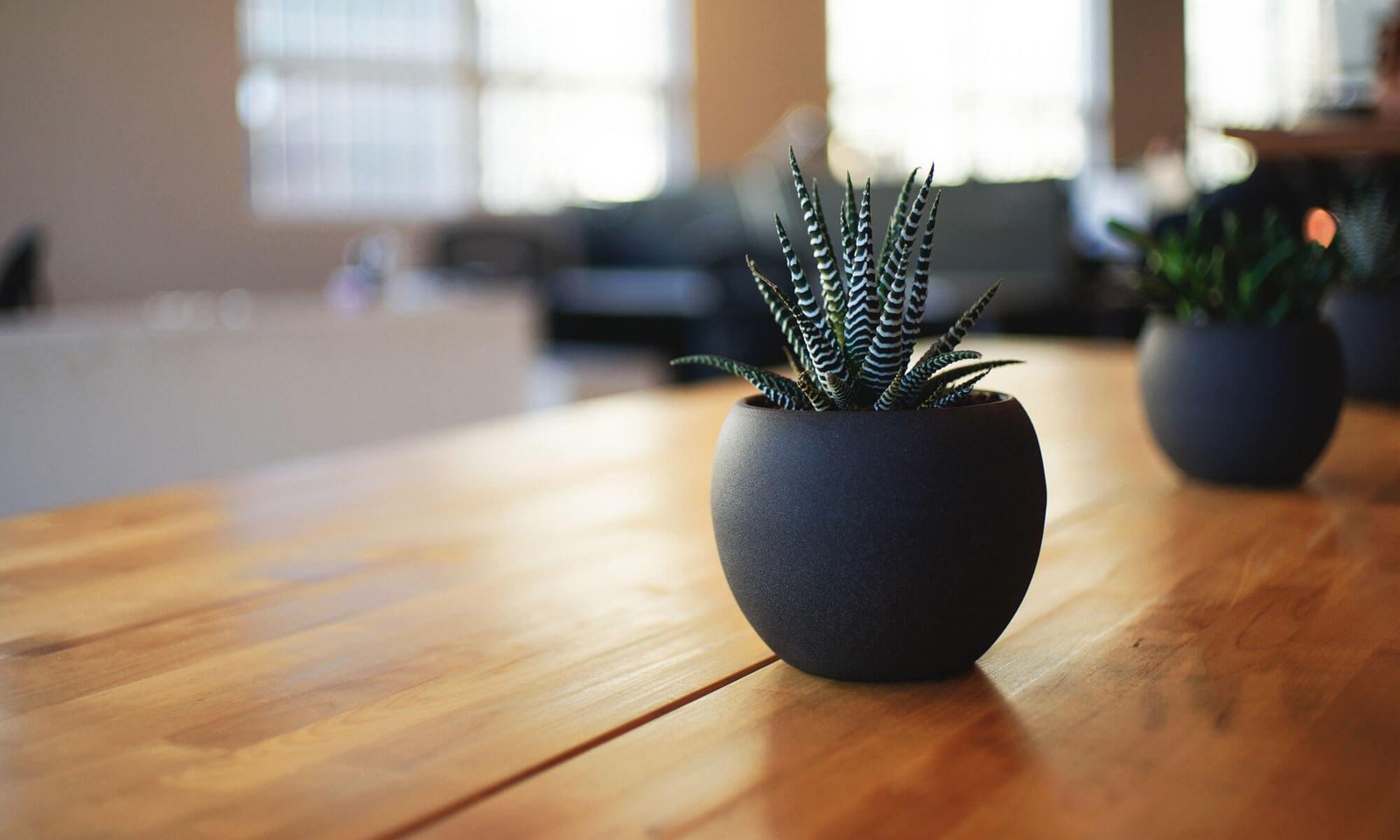
Low light plants, such as snake plants and pothos, can thrive in shady areas or rooms with minimal natural light. Medium light plants, including peace lilies and spider plants, prefer brighter, indirect light, while high light plants, like succulents and cacti, require direct sunlight for optimal growth. To assess the light levels in your home, observe the areas around windows at different times of day; note how sunlight saturates specific spaces, helping you identify suitable spots for your plants.
Positioning your plants near windows is often the best way to ensure they receive adequate sunlight. However, it’s important to be mindful of potential issues while doing this. Insufficient sunlight can result in leggy growth, where plants stretch toward the light source, sacrificing their natural compactness. Conversely, excessive sunlight can lead to leaf burn, characterized by brown patches or crispy edges. To mitigate these effects, monitor your plants closely and consider using sheer curtains to diffuse harsh sunlight.
Another useful practice is to rotate your plants periodically. This technique promotes even exposure to sunlight, allowing all sides of the plant to receive light and encouraging balanced growth. By understanding the crucial role of sunlight and implementing these strategies, you can significantly enhance the health and vitality of your house plants.
Creating the Ideal Environment for Your House Plants
To cultivate a thriving indoor garden, it is essential to create an environment that balances both watering and sunlight effectively. Different house plants have unique requirements, and understanding these needs is key to their success. One critical aspect is monitoring humidity levels. Most house plants thrive in humidity ranges of 40-60%. Utilizing a hygrometer can help you keep track of moisture levels in the air. If the humidity is too low, especially during winter months, consider using a humidifier or placing a tray of water near your plants to help increase moisture.
Additionally, air circulation plays a vital role in maintaining healthy house plants. Stagnant air can lead to issues such as mold or pest infestations, which can be detrimental to plant health. While placing your plants near windows can be beneficial for sunlight exposure, ensure they are not positioned in areas with excessive drafts. A gentle airflow can promote growth and deter parasites. A fan set on low can assist with circulation without directly blasting the plants, creating a balanced environment.
As seasons change, so do the needs of your house plants. For instance, during the winter months, daylight is often limited; therefore, plants may require less frequent watering. Conversely, in the spring and summer, increased sunlight and warmer temperatures may call for a more intensive watering schedule. Keeping a journal or log of each plant’s requirements can help track these seasonal adjustments. Pay attention to signs from your plants; wilting or yellowing leaves can indicate problems with watering or light exposure. By adjusting your care routine to sync with seasonal changes, you can ensure your house plants receive adequate care throughout the year.
Common Mistakes to Avoid in Plant Care
Caring for houseplants can bring joy and a sense of fulfillment, but many new and even seasoned plant owners often encounter pitfalls that can jeopardize the health of their greenery. One of the most common mistakes is misjudging the unique needs of each plant. Every species has specific requirements for water and light exposure; therefore, failing to familiarize oneself with these needs can lead to overwatering or underwatering. For instance, while some plants thrive in damp soil, others may prefer a much drier environment. Regularly checking the moisture level of the soil and observing the plant’s overall appearance are essential steps in avoiding these care miscalculations.
Additionally, neglecting to adjust plant care according to seasonal changes is another prevalent error. As seasons shift, so do the light availability and humidity levels in your home. A plant that flourishes in spring sunlight may come under duress during the dimmer winter months. It is advisable to reposition plants closer to light sources during darker periods and to monitor their watering needs as temperature fluctuations can also affect soil moisture retention.
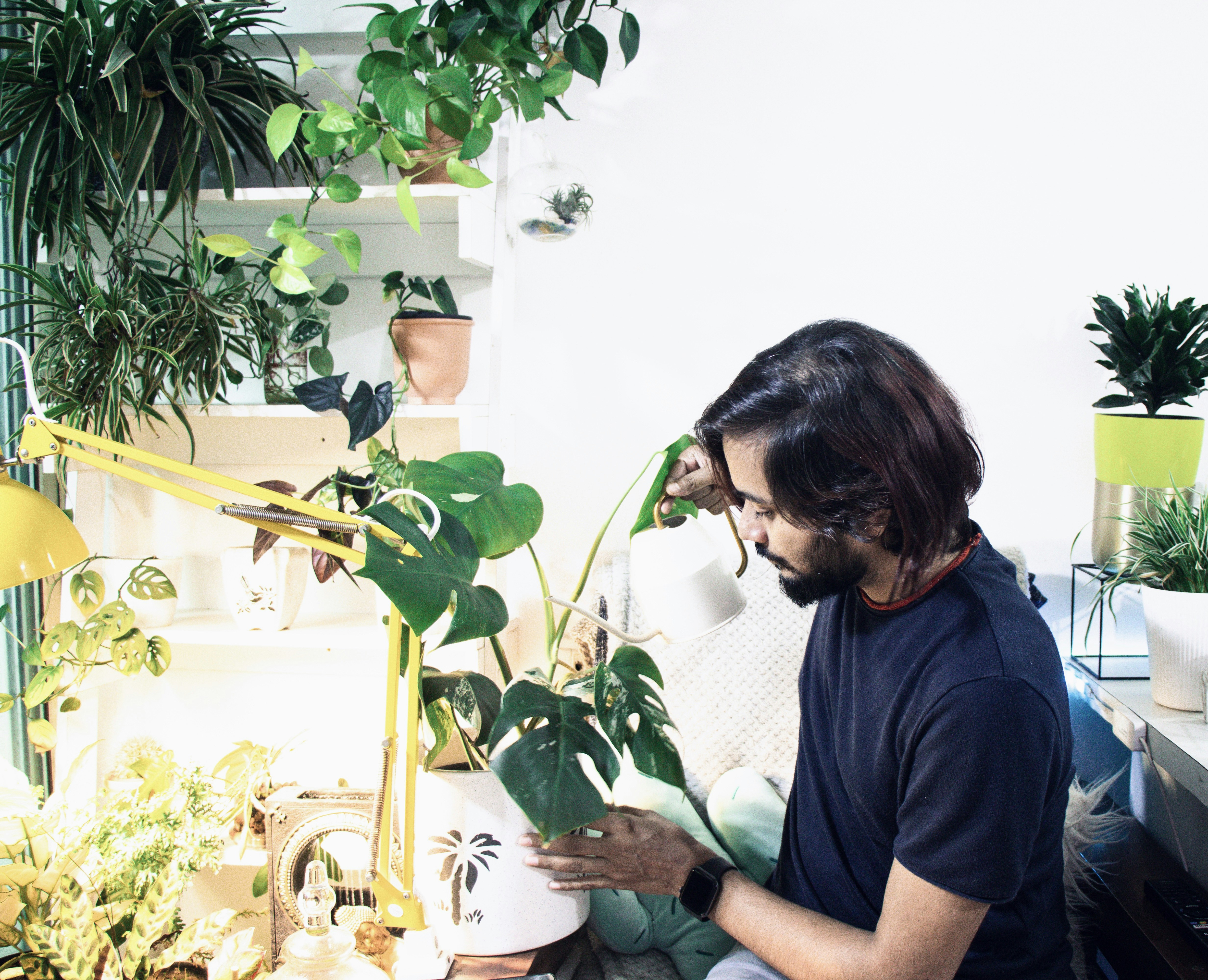
Moreover, inappropriate watering techniques often lead to inadvertent problems. For example, using a watering can that allows for excessive water to flow down at once can drown the roots. A better practice is to use a method like bottom watering, where the plant absorbs moisture at its own pace, ensuring even distribution without the risk of overwhelming the plant. To prevent these mistakes, be attentive to your plants’ reactions; yellowing leaves may indicate overwatering, while browning edges could signal underwatering. Educating oneself on best practices and routinely observing your plants can greatly enhance your journey in plant care.